 LMS-SPADA INDONESIA
Course Content
Ringkasan topik
-
-

Photo courtesy of Google images
Instructor 1: Refi Ranto Rozak, M.Pd. (English Education Department, IKIP PGRI Bojonegoro)

Photo courtesy of Google images
Instructor 2: Dr. Irmayani, M.Pd. (English Education Department, UNISDA Lamongan)

Photo courtesy of Google images
Instructor 3: Maslakhatin, M.Pd. (English Education Department, UNIPA Surabaya)
-
-
-

Photo courtesy of Google images
-
1. Deskripsi Mata Kuliah
Sesi ini adalah pengenalan daring (e-Learning), yang berdasar pada Learning Management System (LMS) yang
bernama Moodle. Setelah mengikuti perkuliahan ini diharapkan mahasiswa mampu (1) mengikuti kegiatan perkuliahan
daring pada laman e-Learning IKIP PGRI Bojonegoro yang menggunakan aplikasi Moodle; (2) mempergunakan akun
e-Learning dengan efektif dan professional, sesuai dengan tuntutan dan arahan
dosen pengampu mata kuliah daring; (3) belajar dan bereksperimen dengan
fitur-fitur yang tersedia pada laman e-Learning. Perkuliahan ini dilaksanakan
dengan pendekatan komunikatif dan kontekstual melalui teknik presentasi dan
latihan.
2. Standar Kompetensi
   Mahasiswa mampu:
   a) Mengikuti kegiatan perkuliahan daring dengan baik dan benar;
   b) Mempergunakan akun e-Learning sesuai kondisi mata kuliah daring yang diambil;
   c) Belajar dan mencoba hal baru dengan fitur-fitur yang ada pada laman e-Learning.
4. Kompetensi Dasar
   Mahasiswa mampu:
   a) Masuk dalam laman perkuliahan daring juga mata kuliah daring;
   b) Mengatur akun e-Learning dengan profesional;
   c) Mendaftar pada mata kuliah daring;
   d) Berpartisipasi di semua kegiatan e-Learning pada mata kuliah daring yang diambil;
   e) Memahami dan mengikuti kuis dan penugasan di laman e-learning ;
   f) Mengikuti diskusi daring melalui laman e-Learning;
5. EvaluasiEvaluasi melalui tes dan penilaian praktek mahasiswa.6. Durasi
Sesi ini dijadwalkan dilaksanakan dalam dua hari dalam minggu ke-1 yaitu:
a) Hari ke-1:
Pengenalan dan Pembelajaran Mahasiswa pada Aktivitas Perkuliahan Online (e-Learning) dengan Aplikasi Moodle
b) Hari ke-2:
Praktek Penggunaan E-Learning7. ReferensiBatubara, Hamdan Husein. 2018. Pembelajaran Berbasis Web dengan Moodle Versi 3.4. Yogyakarta: Deepublish.8. Lampiran-lampiran
  a). Silabus LMS Moodle Course Orientation
  b). PPT Pengenalan LMS Moodle
  c). Video Tutorial Penggunaan Moodle
d). Backbone Video Penggunaan moode -
Pilihlah jawaban yang dirasa paling tepat!
-
A. Description
Extensive Listening (EL) involves students listening to large amounts of motivating and engaging materials which are linguistically appropriate over a period of time where they listen with a reasonable speed for general understanding, with a focus on meaning rather than form.
B. EL Learning Outcomes
At the end of the learning, participants are able to:
1). Objectives:
Comprehend general and specific information on various authentic spoken texts with normal speech rates to enhance students listening fluency through direct meaning comprehension and inferred meaning comprehension. 2
2) Learning Indicators:
At the end of the course, the students are able to enhance their listening comprehension with different speech rates of similar topic-based new stories as the authentic spoken listening material to develop their listening fluency by listening for gists, listening for specific information, and listening for inferences.
C. Weekly Topics
Week 1: Course Orientation (LMS Moodle and EL) and Pre-test
Week 2: Hoax Not Helping as Mount Agung Eruption Looms in Bali
Week 3: Hotel Discounts for the Stranded Tourists of Mount Agung Eruption
Week 4: 10 Alternative Airports Anticipating Mount Agung Eruption
Week 5: Mount Agung Eruption was Eminent
Week 6: Singapore's Government Travel Warning on Mount Agung Eruption in Bali
Week 7: Bali’s Airport Closure was Extended Again
Week 8: Bali Airport was Reopened
Week 9: Mount Agung Eruption Returning Home
Week 10: Chinese Government Travel Warning Visiting Bali Withdrawal
Week 11: Course Review
Week 12: Post-test
D. Time Commitment and Course Organization
Participants are expected to complete weekly topic activities within the given week (12 weeks) online learning. This course will be conducted using both synchronous and asynchronous learning modes. In synchronous mode, participants will meet their teachers and other registered participants in the assigned online meeting using chat or forum discussion provided by Moodle. They can possibly interact with each other and discuss the weekly topic or maybe the problems found during their learning. In this mode, the activities involve doing pre-listening tasks such as watching videos or image-related topic and give their responses or feedbacks on the questions given. They will then do whilst-activity by listening to five similar news stories related to the topic with different speech rates started from slower to normal. Each news story contains ten listening comprehension questions found in Quizzes menu. In addition, they can also check their comprehension level with different speech rates using online listening log (hereafter Google.doc.). Pre- and whilst-listening activities should be synchronously completed in a-100 minutes teaching completion (2 credits). Finally, they should reflect their learning experiences in post-listening activity. In this listening learning stage, they are required to do dictogloss writing asynchronously in a group (3-4 students each) within for one-week completion.
E. Evaluation
Participants will be evaluated in the beginning and at the end of the program in pre- and post-test formats. In the pre-test, they will be tested their comprehension questions on news stories monologues with normal speech rate to know their initial ability. Post-test will be given at the end of the program to know their learning progress. More additionally, they will be assessed in a weekly basis. Overall, the grading is based on a multiple-choice format. Participants active involvement in forum/chat discussion will be regarded as added values as the program is formatted in interactive learning in which participants would be the center of learning mediated by the instructors. Nevertheless, dictogloss writing assignment is assessed and then the results are sent back to the participants so that they can self-evaluate their writing according to the instructors' feedback as well.
F. Dictogloss Writing Guideline
In every meeting, participants will do dictogloss writing with their respective group. Thus, they should be given short instructional section how to do dictogloss writing. The following is the guideline of dictogloss writing:
Instruction: You may use the following guideline during your dictogloss writing assignment.
- You should select your group members (3 or 4 members each group) in a group and do dictogloss writing using google doc (hereafter google doc.com).
- In group, you select one most comprehensible news story in topic 1 (choose 1 of 5 news story) and listen in the first listening (the transcript and the audio are available in 'file' menu)
- You listen to the selected news story in the second listening and write down some keywords or phrases (normally about five to ten words/phrases depending on the length of the passage).
- In group, you compare the lists each other and try to agree on a common list.
- Then, you use the key words to reconstruct the text in writing.
- The text you collaboratively write should be in between 150 – 160 words in Google doc.
- You listen the news story one more time, and then check if you have reconstructed piece of matches the original story.
- Use the following template as your dictogloss writing. https://docs.google.com/document/d/1om7qeWsZ_MthB5Uur5uKekzJJa5D6e9dtC8gd1mhW_M/edit (Links to an external site.)Links to an external site.
- Submit your collaborative constructed writing through google doc. link.
- You may watch the following Youtube links for further explanation:
https://www.youtube.com/watch?v=8XKN04jKGUo (Links to an external site.)Links to an external site.

Grading:
You will be graded based on several criteria such as:
- Your active collaboration during the process of writing the reconstructed text in dictogloss writing. It can be seen on students' writing history in google doc. The more you contribute in writing the text, the more you show your activeness and vice versa.
- The similarity of the reconstructed text with the original or the selected text.
- The number of words in your writing (not exceed than 160 words)
- Aspects of writing: content, organization, diction, language use, and mechanics. The complete criteria attached in the following link: https://docs.google.com/document/d/1p1UTU7yVInl61EQW0XxWlsIMTjmL4kOqI5md9afKxkY/edit (Links to an external site.)Links to an external site.
G. Communication and Support
If you are experiencing difficulties, it is important that you ask for help early. For questions about course materials or assignments, contact your instructors, Refi Ranto Rozak, M.Pd., Dr. Irmayani, M.Pd. and Maslakhatin, M.Pd. through Moodle. You may also contact your classmates through any other social media messaging.
-
Photo courtesy of Google images
-
-

Photo courtesy of Google images
Lesson Plan
A. Learning Objectives:
The participants are able to comprehend general and specific information of various authentic spoken English texts in normal speech rate to enhance their listening fluency through direct meaning comprehension and inferred meaning comprehension by narrow listening.
B. Learning Indicators:
At the end of the course, the students are able to enhance their listening comprehension with different speech rates of similar topic-based new stories as the authentic spoken listening material to develop their listening fluency by listening for gists, listening for specific information, and listening for inferences.
C. Time commitment:
Synchronous: 90 minutes (pre- and whilst-listening)
Asynchronous: one week (post-listening)
D. Activities:
a. Pre-listening (20 minutes)
Background knowledge activation (Forum)
b. Whilst-listening (80 minutes)
1) Listening to news story 1 (120 wpm) and check comprehension
a) Listening log; b) listening comprehension questions
2) Listening to news story 2 (130 wpm) and check comprehension
a) ListeninglLog; b) listening comprehension questions
3) Listening to news story 3 (140 wpm) and check comprehension
a) Listening log; b) listening comprehension questions
4) Listening to news story 4 (150 wpm) and check comprehension
a) Listening log; b) listening comprehension questions
5) Listening to news story 5 (160 wpm) and check comprehension
a) Listening log; b) listening comprehension questions
c. Post-listening
1) Summarizing (10 minutes)
2) Dictogloss writing ( a One-week completion)
E. Grading
1) Listening comprehensions questions each news story Quizzes
2) Dictogloss Writing Rubric
3) Forum/chat discussion Rubric
4) Summary rubric
F. Materials
1) Videos- and image-related topic 1
2) News stories audio topic 1
G. Listening Log
H. References
Utama:
Muller, T. J., Herder, S. D., Adamson, J. L., & Brown, P. S. (Eds). 2012. Innovating EFL Teaching in Asia. Basingstoke: Palgrave Macmillan.
Rost, M. 2011. Teaching and Researching Listening 2nd Edition. Edinburg: Pearson Education Limited.
Pendukung:
Aish, F. & Tomlinson, J. (2013). Lectures: Learn listen and note-taking skills. London: HarperCollins Publishers.
Online resources Topic 1-
In whilst-listening activities, participants are required to listen to the scaffolded monologues of similar topic started from slower to normal speech rates one by one. Download firstly the audio files of the monologues and their listening comprehension questions. Then, you should type your answer on doc. and send them back through the instructor's emails to: refi.ranto@ikippgribojonegoro.ac.id
Subject of you email should be: Your full name_File name (ex: Andi Budiman_Listening Comprehension News Story Topic 1_Subtopic 1) -
In this section, participants are allowed to have discussion about the topic. They may ask questions to this chat room and have interaction with the instructors and their peers. This section is actually available during synchronous learning and soon after it will be closed when online learning ends. However, for certain occasion, the instructors can response the participants' questions so that it is not also restricted to the assigned learning time.
-
In this section, participants are required to do dictogloss writing in group (3-4 participants). The guideline of dictogloss writing assignment can be carefully read in the "EL Orientation Course".
-
-

Photo courtesy of Google images
Lesson Plan
A. Learning Objectives:
The participants are able to comprehend general and specific information of various authentic spoken English texts in normal speech rate to enhance their listening fluency through direct meaning comprehension and inferred meaning comprehension by narrow listening.
B. Learning Indicators:
At the end of the course, the students are able to enhance their listening comprehension with different speech rates of similar topic-based new stories as the authentic spoken listening material to develop their listening fluency by listening for gists, listening for specific information, and listening for inferences.
C. Time commitment:
Synchronous: 90 minutes (pre- and whilst-listening)
Asynchronous: one week (post-listening)
D. Activities:
a. Pre-listening (20 minutes)
Background knowledge activation (Forum)
b. Whilst-listening (60 minutes)
1) Listening to topic 2 news story 1 (120 wpm) and check comprehension
a) Listening log; b) listening comprehension questions
2) Listening to topic 2 news story 2 (130 wpm) and check comprehension
a) Listening log; b) listening comprehension questions
3) Listening to topic 2 news story 3 (140 wpm) and check comprehension
a) Listening log; b) listening comprehension questions
4) Listening to topic 2 news story 4 (150 wpm) and check comprehension
a) Listening log; b) listening comprehension questions
5) Listening to topic 2 news story 5 (160 wpm) and check comprehension
a) Listening log; b) listening comprehension questions
c. Post-listening
1) Summarizing (10 minutes)
2) Dictogloss writing ( a One-week completion)
E. Grading
1) Listening comprehensions questions each news story Quizzes
2) Dictogloss Writing Rubric
3) Forum/chat discussion Rubric
4) Summary rubric
F. Materials
1) Videos- and image-related topic 2
2) News stories audio topic 2
G. Listening Log
H. References
Utama:
Muller, T. J., Herder, S. D., Adamson, J. L., & Brown, P. S. (Eds). 2012. Innovating EFL Teaching in Asia. Basingstoke: Palgrave Macmillan.
Rost, M. 2011. Teaching and Researching Listening 2nd Edition. Edinburg: Pearson Education Limited.
Pendukung:
Aish, F. & Tomlinson, J. (2013). Lectures: Learn listen and note-taking skills. London: HarperCollins Publishers.
Online resources Topic 2-
In whilst-listening activities, participants are required to listen to the scaffolded monologues of similar topic started from slower to normal speech rates one by one. Download firstly the audio files of the monologues and their listening comprehension questions. Then, you should type your answer on doc. and send them back through the instructor's emails to: refi.ranto@ikippgribojonegoro.ac.id. Subject of your email should be: Your full name_File name (ex: Andi Budiman_Listening Comprehension News Story Topic 2_Subtopic 1)
Topic 2_Subtopic 1_Listening Comprehension
Topic 2_Subtopic 2_Listening Comprehension
Topic 2_Subtopic 3_Listening Comprehension
Topic 2_Subtopic 4_Listening Comprehension
Topic 2_Subtopic 5_Listening Comprehension -
In this section, participants are allowed to have discussion about the topic. They may ask questions to this chat room and have interaction with the instructors and their peers. This section is actually available during synchronous learning and soon after it will be closed when online learning ends. However, for certain occasion, the instructors can response the participants' questions so that it is not also restricted to the assigned learning time.
-
In this section, participants are required to do dictogloss writing in group (3-4 participants). The guideline of dictogloss writing assignment can be carefully read in the "EL Orientation Course".
-
-

Photo courtesy of Google images
Lesson Plan
A. Learning Objectives:
The participants are able to comprehend general and specific information of various authentic spoken English texts in normal speech rate to enhance their listening fluency through direct meaning comprehension and inferred meaning comprehension by narrow listening.
B. Learning Indicators:
At the end of the course, the students are able to enhance their listening comprehension with different speech rates of similar topic-based new stories as the authentic spoken listening material to develop their listening fluency by listening for gists, listening for specific information, and listening for inferences.
C. Time commitment:
Synchronous: 90 minutes (pre- and whilst-listening)
Asynchronous: one week (post-listening)
D. Activities:
a. Pre-listening (20 minutes)
Background knowledge activation (Forum)
b. Whilst-listening (80 minutes)
1) Listening to topic 3 news story 1 (120 wpm) and check comprehension
a) Listening log; b) listening comprehension questions
2) Listening to topic 3 news story 2 (130 wpm) and check comprehension
a) ListeninglLog; b) listening comprehension questions
3) Listening to topic 3 news story 3 (140 wpm) and check comprehension
a) Listening log; b) listening comprehension questions
4) Listening to topic 3 news story 4 (150 wpm) and check comprehension
a) Listening log; b) listening comprehension questions
5) Listening to topic 3 news story 5 (160 wpm) and check comprehension
a) Listening log; b) listening comprehension questions
c. Post-listening
Dictogloss writing ( a One-week completion)
E. Grading
1) Listening comprehensions questions each news story Quizzes
2) Dictogloss Writing Rubric
3) Forum/chat discussion Rubric
4) Summary rubric
F. Materials
1) Videos- and image-related topic 3
2) News stories audio topic 3
G. Listening Log
H. References
Utama:
Muller, T. J., Herder, S. D., Adamson, J. L., & Brown, P. S. (Eds). 2012. Innovating EFL Teaching in Asia. Basingstoke: Palgrave Macmillan.
Rost, M. 2011. Teaching and Researching Listening 2nd Edition. Edinburg: Pearson Education Limited.
Pendukung:
Aish, F. & Tomlinson, J. (2013). Lectures: Learn listen and note-taking skills. London: HarperCollins Publishers.
Online resources Topic 3-
In whilst-listening activities, participants are required to listen to the scaffolded monologues of similar topic started from slower to normal speech rates one by one. Download firstly the audio files of the monologues and their listening comprehension questions. Then, you should type your answer on doc. and send them back through the instructor's emails to: refi.ranto@ikippgribojonegoro.ac.id
Subject of your email should be: Your full name_File name (ex: Andi Budiman_Listening Comprehension News Story Topic 3_Subtopic 1)
Audio:
Listening Comprehension Questions:
Topic 3_Subtopic 1_Listening Comprehension
Topic 3_Subtopic 2_Listening Comprehension
Topic 3_Subtopic 3_Listening Comprehension
Topic 3_Subtopic 4_Listening Comprehension
Topic 3_Subtopic 5_Listening Comprehension
-
In this section, participants are allowed to have discussion about the topic. They may ask questions to this chat room and have interaction with the instructors and their peers. This section is actually available during synchronous learning and soon after it will be closed when online learning ends. However, for certain occasion, the instructors can response the participants' questions so that it is not also restricted to the assigned learning time.
-
In this section, participants are required to do dictogloss writing in group (3-4 participants). The guideline of dictogloss writing assignment can be carefully read in the "EL Orientation Course".
-
-

Photo courtesy of Google images
Lesson Plan
A. Learning Objectives:
The participants are able to comprehend general and specific information of various authentic spoken English texts in normal speech rate to enhance their listening fluency through direct meaning comprehension and inferred meaning comprehension by narrow listening.
B. Learning Indicators:
At the end of the course, the students are able to enhance their listening comprehension with different speech rates of similar topic-based new stories as the authentic spoken listening material to develop their listening fluency by listening for gists, listening for specific information, and listening for inferences.
C. Time commitment:
Synchronous: 90 minutes (pre- and whilst-listening)
Asynchronous: one week (post-listening)
D. Activities:
a. Pre-listening (20 minutes)
Background knowledge activation (Forum)
b. Whilst-listening (80 minutes)
1) Listening to topic 4 news story 1 (120 wpm) and check comprehension
a) Listening log; b) listening comprehension questions
2) Listening to topic 4 news story 2 (130 wpm) and check comprehension
a) ListeninglLog; b) listening comprehension questions
3) Listening to topic 4 news story 3 (140 wpm) and check comprehension
a) Listening log; b) listening comprehension questions
4) Listening to topic 4 news story 4 (150 wpm) and check comprehension
a) Listening log; b) listening comprehension questions
5) Listening to topic 4 news story 5 (160 wpm) and check comprehension
a) Listening log; b) listening comprehension questions
c. Post-listening
Dictogloss writing ( a One-week completion)
E. Grading
1) Listening comprehensions questions each news story Quizzes
2) Dictogloss Writing Rubric
3) Forum/chat discussion Rubric
4) Summary rubric
F. Materials
1) Videos- and image-related topic 4
2) News stories audio topic 4
G. Listening Log
H. References
Utama:
Muller, T. J., Herder, S. D., Adamson, J. L., & Brown, P. S. (Eds). 2012. Innovating EFL Teaching in Asia. Basingstoke: Palgrave Macmillan.
Rost, M. 2011. Teaching and Researching Listening 2nd Edition. Edinburg: Pearson Education Limited.
Pendukung:
Aish, F. & Tomlinson, J. (2013). Lectures: Learn listen and note-taking skills. London: HarperCollins Publishers.
Online resources Topic 4-
In whilst-listening activities, participants are required to listen to the scaffolded monologues of similar topic started from slower to normal speech rates one by one. Download firstly the audio files of the monologues and their listening comprehension questions. Then, you should type your answer on doc. and send them back through the instructor's emails to: refi.ranto@ikippgribojonegoro.ac.id
Subject of your email should be: Your full name_File name (ex: Andi Budiman_Listening Comprehension News Story Topic 4_Subtopic 1)
Audio:
Listening Comprehension Questions:
Topic 4_Subtopic 1_Listening Comprehension
Topic 4_Subtopic 2_Listening Comprehension
Topic 4_Subtopic 3_Listening Comprehension
Topic 4_Subtopic 4_Listening Comprehension
Topic 4_Subtopic 5_Listening Comprehension
-
In this section, participants are allowed to have discussion about the topic. They may ask questions to this chat room and have interaction with the instructors and their peers. This section is actually available during synchronous learning and soon after it will be closed when online learning ends. However, for certain occasion, the instructors can response the participants' questions so that it is not also restricted to the assigned learning time.
-
In this section, participants are required to do dictogloss writing in group (3-4 participants). The guideline of dictogloss writing assignment can be carefully read in the "EL Orientation Course".
-
-
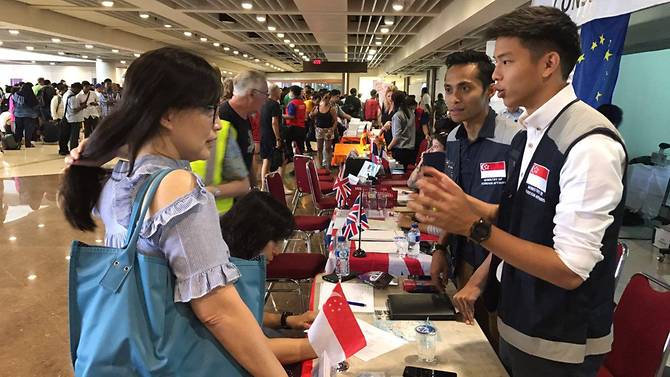
Photo courtesy of Google images
Lesson Plan
A. Learning Objectives:
The participants are able to comprehend general and specific information of various authentic spoken English texts in normal speech rate to enhance their listening fluency through direct meaning comprehension and inferred meaning comprehension by narrow listening.
B. Learning Indicators:
At the end of the course, the students are able to enhance their listening comprehension with different speech rates of similar topic-based new stories as the authentic spoken listening material to develop their listening fluency by listening for gists, listening for specific information, and listening for inferences.
C. Time commitment:
Synchronous: 90 minutes (pre- and whilst-listening)
Asynchronous: one week (post-listening)
D. Activities:
a. Pre-listening (20 minutes)
Background knowledge activation (Forum)
b. Whilst-listening (80 minutes)
1) Listening to topic 5 news story 1 (120 wpm) and check comprehension
a) Listening log; b) listening comprehension questions
2) Listening to topic 5 news story 2 (130 wpm) and check comprehension
a) ListeninglLog; b) listening comprehension questions
3) Listening to topic 5 news story 3 (140 wpm) and check comprehension
a) Listening log; b) listening comprehension questions
4) Listening to topic 5 news story 4 (150 wpm) and check comprehension
a) Listening log; b) listening comprehension questions
5) Listening to topic 5 news story 5 (160 wpm) and check comprehension
a) Listening log; b) listening comprehension questions
c. Post-listening
Dictogloss writing ( a One-week completion)
E. Grading
1) Listening comprehensions questions each news story Quizzes
2) Dictogloss Writing Rubric
3) Forum/chat discussion Rubric
4) Summary rubric
F. Materials
1) Videos- and image-related topic 5
2) News stories audio topic 5
G. Listening Log
H. References
Utama:
Muller, T. J., Herder, S. D., Adamson, J. L., & Brown, P. S. (Eds). 2012. Innovating EFL Teaching in Asia. Basingstoke: Palgrave Macmillan.
Rost, M. 2011. Teaching and Researching Listening 2nd Edition. Edinburg: Pearson Education Limited.
Pendukung:
Aish, F. & Tomlinson, J. (2013). Lectures: Learn listen and note-taking skills. London: HarperCollins Publishers.
Online resources Topic 5-
In whilst-listening activities, participants are required to listen to the scaffolded monologues of similar topic started from slower to normal speech rates one by one. Download firstly the audio files of the monologues and their listening comprehension questions. Then, you should type your answer on doc. and send them back through the instructor's emails to: refi.ranto@ikippgribojonegoro.ac.id
Subject of your email should be: Your full name_File name (ex: Andi Budiman_Listening Comprehension News Story Topic 5_Subtopic 1)
Audio:
Listening Comprehension Questions:
Topic 5_Subtopic 1_Listening Comprehension
Topic 5_Subtopic 2_Listening Comprehension
Topic 5_Subtopic 3_Listening Comprehension
-
In this section, participants are allowed to have discussion about the topic. They may ask questions to this chat room and have interaction with the instructors and their peers. This section is actually available during synchronous learning and soon after it will be closed when online learning ends. However, for certain occasion, the instructors can response the participants' questions so that it is not also restricted to the assigned learning time.
-
In this section, participants are required to do dictogloss writing in group (3-4 participants). The guideline of dictogloss writing assignment can be carefully read in the "EL Orientation Course".
-
-

Photo courtesy of Google images
Lesson Plan
A. Learning Objectives:
The participants are able to comprehend general and specific information of various authentic spoken English texts in normal speech rate to enhance their listening fluency through direct meaning comprehension and inferred meaning comprehension by narrow listening.
B. Learning Indicators:
At the end of the course, the students are able to enhance their listening comprehension with different speech rates of similar topic-based new stories as the authentic spoken listening material to develop their listening fluency by listening for gists, listening for specific information, and listening for inferences.
C. Time commitment:
Synchronous: 90 minutes (pre- and whilst-listening)
Asynchronous: one week (post-listening)
D. Activities:
a. Pre-listening (20 minutes)
Background knowledge activation (Forum)
b. Whilst-listening (80 minutes)
1) Listening to topic 6 news story 1 (120 wpm) and check comprehension
a) Listening log; b) listening comprehension questions
2) Listening to topic 6 news story 2 (130 wpm) and check comprehension
a) ListeninglLog; b) listening comprehension questions
3) Listening to topic 6 news story 3 (140 wpm) and check comprehension
a) Listening log; b) listening comprehension questions
4) Listening to topic 6 news story 4 (150 wpm) and check comprehension
a) Listening log; b) listening comprehension questions
5) Listening to topic 6 news story 5 (160 wpm) and check comprehension
a) Listening log; b) listening comprehension questions
c. Post-listening
Dictogloss writing ( a One-week completion)
E. Grading
1) Listening comprehensions questions each news story Quizzes
2) Dictogloss Writing Rubric
3) Forum/chat discussion Rubric
4) Summary rubric
F. Materials
1) Videos- and image-related topic 6
2) News stories audio topic 6
G. Listening Log
H. References
Utama:
Muller, T. J., Herder, S. D., Adamson, J. L., & Brown, P. S. (Eds). 2012. Innovating EFL Teaching in Asia. Basingstoke: Palgrave Macmillan.
Rost, M. 2011. Teaching and Researching Listening 2nd Edition. Edinburg: Pearson Education Limited.
Pendukung:
Aish, F. & Tomlinson, J. (2013). Lectures: Learn listen and note-taking skills. London: HarperCollins Publishers.
Online resources Topic 6-
In whilst-listening activities, participants are required to listen to the scaffolded monologues of similar topic started from slower to normal speech rates one by one. Download firstly the audio files of the monologues and their listening comprehension questions. Then, you should type your answer on doc. and send them back through the instructor's emails to: refi.ranto@ikippgribojonegoro.ac.id
Subject of your email should be: Your full name_File name (ex: Andi Budiman_Listening Comprehension News Story Topic 6_Subtopic 1)
Audio:
Listening Comprehension Questions:
Topic 6_Subtopic 1_Listening Comprehension
Topic 6_Subtopic 2_Listening Comprehension
Topic 6_Subtopic 3_Listening Comprehension
-
In this section, participants are allowed to have discussion about the topic. They may ask questions to this chat room and have interaction with the instructors and their peers. This section is actually available during synchronous learning and soon after it will be closed when online learning ends. However, for certain occasion, the instructors can response the participants' questions so that it is not also restricted to the assigned learning time.
-
In this section, participants are required to do dictogloss writing in group (3-4 participants). The guideline of dictogloss writing assignment can be carefully read in the "EL Orientation Course".
-
-
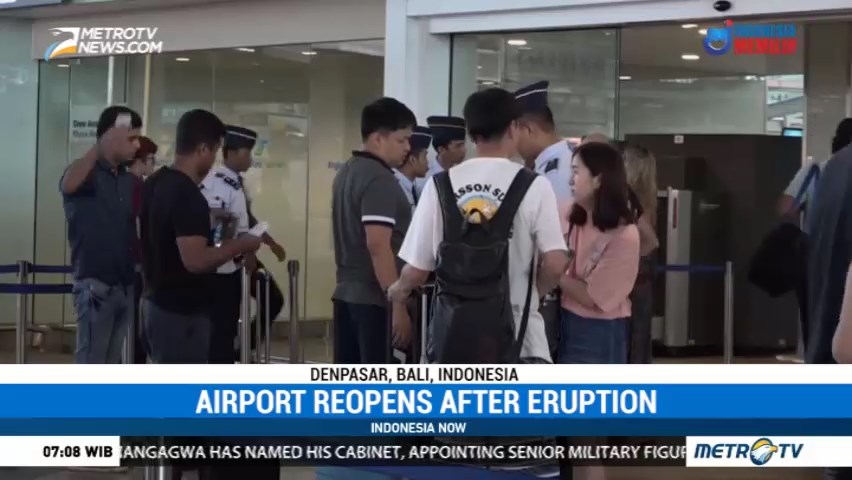
Photo courtesy of Google images
Lesson Plan
A. Learning Objectives:
The participants are able to comprehend general and specific information of various authentic spoken English texts in normal speech rate to enhance their listening fluency through direct meaning comprehension and inferred meaning comprehension by narrow listening.
B. Learning Indicators:
At the end of the course, the students are able to enhance their listening comprehension with different speech rates of similar topic-based new stories as the authentic spoken listening material to develop their listening fluency by listening for gists, listening for specific information, and listening for inferences.
C. Time commitment:
Synchronous: 90 minutes (pre- and whilst-listening)
Asynchronous: one week (post-listening)
D. Activities:
a. Pre-listening (20 minutes)
Background knowledge activation (Forum)
b. Whilst-listening (80 minutes)
1) Listening to topic 7 news story 1 (120 wpm) and check comprehension
a) Listening log; b) listening comprehension questions
2) Listening to topic 7 news story 2 (130 wpm) and check comprehension
a) ListeninglLog; b) listening comprehension questions
3) Listening to topic 7 news story 3 (140 wpm) and check comprehension
a) Listening log; b) listening comprehension questions
4) Listening to topic 7 news story 4 (150 wpm) and check comprehension
a) Listening log; b) listening comprehension questions
5) Listening to topic 7 news story 5 (160 wpm) and check comprehension
a) Listening log; b) listening comprehension questions
c. Post-listening
Dictogloss writing ( a One-week completion)
E. Grading
1) Listening comprehensions questions each news story Quizzes
2) Dictogloss Writing Rubric
3) Forum/chat discussion Rubric
F. Materials
1) Videos- and image-related topic 7
2) News stories audio topic 7
G. Listening Log
H. References
Utama:
Muller, T. J., Herder, S. D., Adamson, J. L., & Brown, P. S. (Eds). 2012. Innovating EFL Teaching in Asia. Basingstoke: Palgrave Macmillan.
Rost, M. 2011. Teaching and Researching Listening 2nd Edition. Edinburg: Pearson Education Limited.
Pendukung:
Aish, F. & Tomlinson, J. (2013). Lectures: Learn listen and note-taking skills. London: HarperCollins Publishers.
Online resources Topic 7-
In whilst-listening activities, participants are required to listen to the scaffolded monologues of similar topic started from slower to normal speech rates one by one. Download firstly the audio files of the monologues and their listening comprehension questions. Then, you should type your answer on doc. and send them back through the instructor's emails to: refi.ranto@ikippgribojonegoro.ac.id
Subject of your email should be: Your full name_File name (ex: Andi Budiman_Listening Comprehension News Story Topic 7_Subtopic 1)
Audio:
Listening Comprehension Questions:
Topic 7_Subtopic 1_Listening Comprehension
Topic 7_Subtopic 2_Listening Comprehension
Topic 7_Subtopic 3_Listening Comprehension
-
In this section, participants are allowed to have discussion about the topic. They may ask questions to this chat room and have interaction with the instructors and their peers. This section is actually available during synchronous learning and soon after it will be closed when online learning ends. However, for certain occasion, the instructors can response the participants' questions so that it is not also restricted to the assigned learning time.
-
In this section, participants are required to do dictogloss writing in group (3-4 participants). The guideline of dictogloss writing assignment can be carefully read in the "EL Orientation Course".
-
-

Photo courtesy of Google images
Lesson Plan
A. Learning Objectives:
The participants are able to comprehend general and specific information of various authentic spoken English texts in normal speech rate to enhance their listening fluency through direct meaning comprehension and inferred meaning comprehension by narrow listening.
B. Learning Indicators:
At the end of the course, the students are able to enhance their listening comprehension with different speech rates of similar topic-based new stories as the authentic spoken listening material to develop their listening fluency by listening for gists, listening for specific information, and listening for inferences.
C. Time commitment:
Synchronous: 90 minutes (pre- and whilst-listening)
Asynchronous: one week (post-listening)
D. Activities:
a. Pre-listening (20 minutes)
Background knowledge activation (Forum)
b. Whilst-listening (80 minutes)
1) Listening to topic 8 news story 1 (120 wpm) and check comprehension
a) Listening log; b) listening comprehension questions
2) Listening to topic 8 news story 2 (130 wpm) and check comprehension
a) ListeninglLog; b) listening comprehension questions
3) Listening to topic 8 news story 3 (140 wpm) and check comprehension
a) Listening log; b) listening comprehension questions
4) Listening to topic 8 news story 4 (150 wpm) and check comprehension
a) Listening log; b) listening comprehension questions
5) Listening to topic 8 news story 5 (160 wpm) and check comprehension
a) Listening log; b) listening comprehension questions
c. Post-listening
Dictogloss writing ( a One-week completion)
E. Grading
1) Listening comprehensions questions each news story Quizzes
2) Dictogloss Writing Rubric
3) Forum/chat discussion Rubric
F. Materials
1) Videos- and image-related topic 8
2) News stories audio topic 8
G. Listening Log
H. References
Utama:
Muller, T. J., Herder, S. D., Adamson, J. L., & Brown, P. S. (Eds). 2012. Innovating EFL Teaching in Asia. Basingstoke: Palgrave Macmillan.
Rost, M. 2011. Teaching and Researching Listening 2nd Edition. Edinburg: Pearson Education Limited.
Pendukung:
Aish, F. & Tomlinson, J. (2013). Lectures: Learn listen and note-taking skills. London: HarperCollins Publishers.
Online resources Topic 8-
In whilst-listening activities, participants are required to listen to the scaffolded monologues of similar topic started from slower to normal speech rates one by one. Download firstly the audio files of the monologues and their listening comprehension questions. Then, you should type your answer on doc. and send them back through the instructor's emails to: refi.ranto@ikippgribojonegoro.ac.id
Subject of your email should be: Your full name_File name (ex: Andi Budiman_Listening Comprehension News Story Topic 8_Subtopic 1)
Audio:
Listening Comprehension Questions:
Topic 8_Subtopic 1_Listening Comprehension
Topic 8_Subtopic 2_Listening Comprehension
Topic 8_Subtopic 3_Listening Comprehension
-
In this section, participants are allowed to have discussion about the topic. They may ask questions to this chat room and have interaction with the instructors and their peers. This section is actually available during synchronous learning and soon after it will be closed when online learning ends. However, for certain occasion, the instructors can response the participants' questions so that it is not also restricted to the assigned learning time.
-
In this section, participants are allowed to have discussion about the topic. They may ask questions to this chat room and have interaction with the instructors and their peers. This section is actually available during synchronous learning and soon after it will be closed when online learning ends. However, for certain occasion, the instructors can response the participants' questions so that it is not also restricted to the assigned learning time.
-
-

Photo courtesy of Google images
Lesson Plan
A. Learning Objectives:
The participants are able to comprehend general and specific information of various authentic spoken English texts in normal speech rate to enhance their listening fluency through direct meaning comprehension and inferred meaning comprehension by narrow listening.
B. Learning Indicators:
At the end of the course, the students are able to enhance their listening comprehension with different speech rates of similar topic-based new stories as the authentic spoken listening material to develop their listening fluency by listening for gists, listening for specific information, and listening for inferences.
C. Time commitment:
Synchronous: 90 minutes (pre- and whilst-listening)
Asynchronous: one week (post-listening)
D. Activities:
a. Pre-listening (20 minutes)
Background knowledge activation (Forum)
b. Whilst-listening (80 minutes)
1) Listening to topic 9 news story 1 (120 wpm) and check comprehension
a) Listening log; b) listening comprehension questions
2) Listening to topic 9 news story 2 (130 wpm) and check comprehension
a) ListeninglLog; b) listening comprehension questions
3) Listening to topic 9 news story 3 (140 wpm) and check comprehension
a) Listening log; b) listening comprehension questions
4) Listening to topic 9 news story 4 (150 wpm) and check comprehension
a) Listening log; b) listening comprehension questions
5) Listening to topic 9 news story 5 (160 wpm) and check comprehension
a) Listening log; b) listening comprehension questions
c. Post-listening
Dictogloss writing ( a One-week completion)
E. Grading
1) Listening comprehensions questions each news story Quizzes
2) Dictogloss Writing Rubric
3) Forum/chat discussion Rubric
F. Materials
1) Videos- and image-related topic 9
2) News stories audio topic 9
G. Listening Log
Listening log link
H. References
Utama:
Muller, T. J., Herder, S. D., Adamson, J. L., & Brown, P. S. (Eds). 2012. Innovating EFL Teaching in Asia. Basingstoke: Palgrave Macmillan.
Rost, M. 2011. Teaching and Researching Listening 2nd Edition. Edinburg: Pearson Education Limited.
Pendukung:
Aish, F. & Tomlinson, J. (2013). Lectures: Learn listen and note-taking skills. London: HarperCollins Publishers.
Online resources Topic 9-
In whilst-listening activities, participants are required to listen to the scaffolded monologues of similar topic started from slower to normal speech rates one by one. Download firstly the audio files of the monologues and their listening comprehension questions. Then, you should type your answer on doc. and send them back through the instructor's emails to: refi.ranto@ikippgribojonegoro.ac.id
Subject of your email should be: Your full name_File name (ex: Andi Budiman_Listening Comprehension News Story Topic 9_Subtopic 1)
-
In this section, participants are allowed to have discussion about the topic. They may ask questions to this chat room and have interaction with the instructors and their peers. This section is actually available during synchronous learning and soon after it will be closed when online learning ends. However, for certain occasion, the instructors can response the participants' questions so that it is not also restricted to the assigned learning time.
-
In this section, participants are allowed to have discussion about the topic. They may ask questions to this chat room and have interaction with the instructors and their peers. This section is actually available during synchronous learning and soon after it will be closed when online learning ends. However, for certain occasion, the instructors can response the participants' questions so that it is not also restricted to the assigned learning time.
-
-

Photo courtesy of Google images
Lesson Plan
A. Learning Objectives:
The participants are able to comprehend general and specific information of various authentic spoken English texts in normal speech rate to enhance their listening fluency through direct meaning comprehension and inferred meaning comprehension by narrow listening.
B. Learning Indicators:
At the end of the course, the students are able to enhance their listening comprehension with different speech rates of similar topic-based new stories as the authentic spoken listening material to develop their listening fluency by listening for gists, listening for specific information, and listening for inferences.
C. Time commitment:
Synchronous: 90 minutes (pre- and whilst-listening)
Asynchronous: one week (post-listening)
D. Activities:
a. Pre-listening (20 minutes)
Background knowledge activation (Forum)
b. Whilst-listening (80 minutes)
1) Listening to topic 10 news story 1 (120 wpm) and check comprehension
a) Listening log; b) listening comprehension questions
2) Listening to topic 10 news story 2 (130 wpm) and check comprehension
a) ListeninglLog; b) listening comprehension questions
3) Listening to topic 10 news story 3 (140 wpm) and check comprehension
a) Listening log; b) listening comprehension questions
4) Listening to topic 10 news story 4 (150 wpm) and check comprehension
a) Listening log; b) listening comprehension questions
5) Listening to topic 10 news story 5 (160 wpm) and check comprehension
a) Listening log; b) listening comprehension questions
c. Post-listening
Dictogloss writing ( a One-week completion)
E. Grading
1) Listening comprehensions questions each news story Quizzes
2) Dictogloss Writing Rubric
3) Forum/chat discussion Rubric
F. Materials
1) Videos- and image-related topic 10
2) News stories audio topic 10
G. Listening Log
Listening log link
H. References
Utama:
Muller, T. J., Herder, S. D., Adamson, J. L., & Brown, P. S. (Eds). 2012. Innovating EFL Teaching in Asia. Basingstoke: Palgrave Macmillan.
Rost, M. 2011. Teaching and Researching Listening 2nd Edition. Edinburg: Pearson Education Limited.
Pendukung:
Aish, F. & Tomlinson, J. (2013). Lectures: Learn listen and note-taking skills. London: HarperCollins Publishers.
Online resources Topic 10-
In whilst-listening activities, participants are required to listen to the scaffolded monologues of similar topic started from slower to normal speech rates one by one. Download firstly the audio files of the monologues and their listening comprehension questions. Then, you should type your answer on doc. and send them back through the instructor's emails to: refi.ranto@ikippgribojonegoro.ac.id
Subject of your email should be: Your full name_File name (ex: Andi Budiman_Listening Comprehension News Story Topic 10_Subtopic 1)
-
In this section, participants are allowed to have discussion about the topic. They may ask questions to this chat room and have interaction with the instructors and their peers. This section is actually available during synchronous learning and soon after it will be closed when online learning ends. However, for certain occasion, the instructors can response the participants' questions so that it is not also restricted to the assigned learning time.
-
-
-
Now that you have completed all the previous activities in this course. You can review your experience and reflect on the for your future learning. Completing this reflection will help you in the future when you have similar course with similar objective, tasks or activities. The final reflection is for you to collect, review, and reflect on your work. You will NOT submit anything for this task.
-
 LMS-SPADA INDONESIA